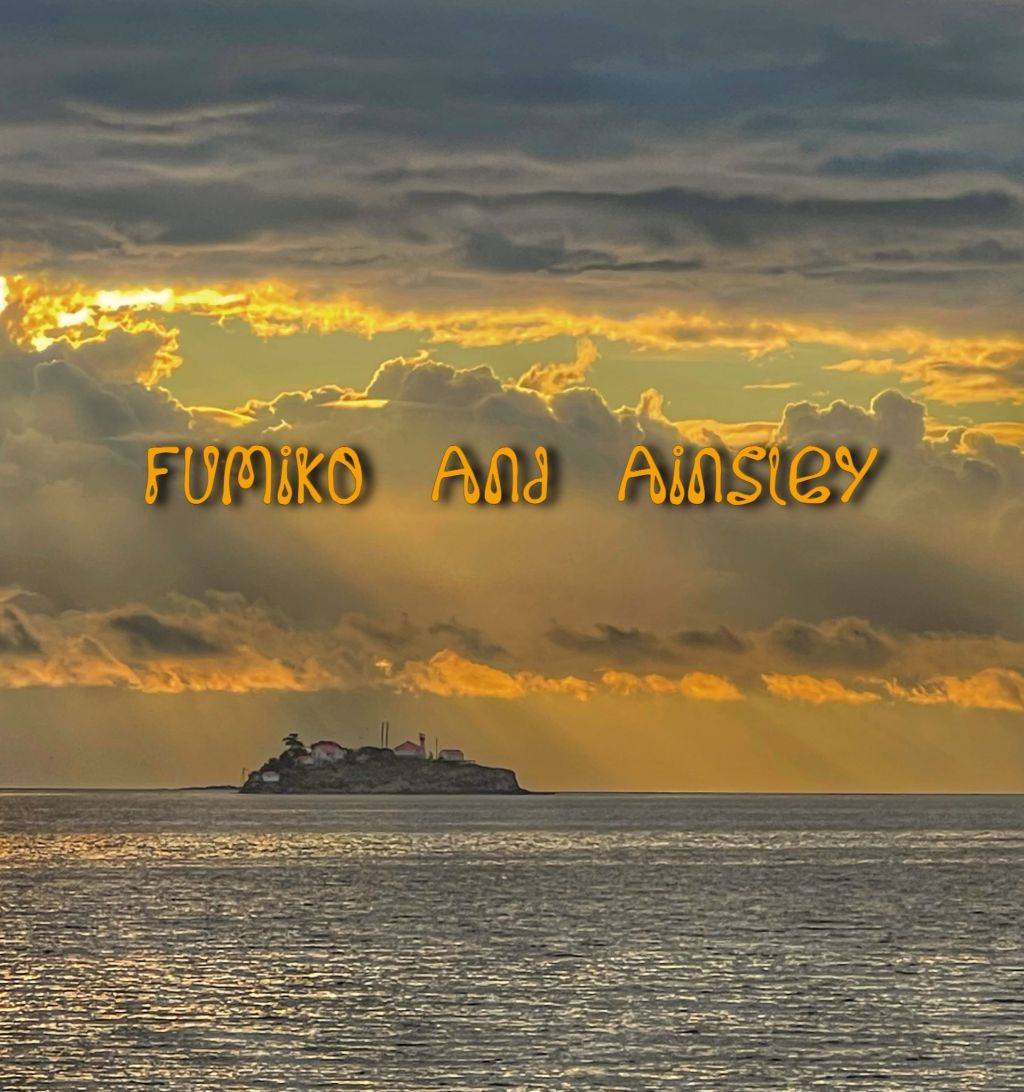
Authors note: I spend most of my summers in Deep Bay BC. It’s a beautiful secret and I know how lucky I am. It is easy here to imagine times gone by and the people who came before us and to make up stories about them. Fumiko is an imagination. Ainsley is not. When I wrote this they were both ten and both had found themselves in Deep Bay. I have voiced this in two parts. The first is ‘Fumiko’, the second ‘Ainsley’. I hope you enjoy their stories.
FUMIKO
Fumiko Watanabe was ten and had lived in Deep Bay, on BC’s Vancouver Island her entire life. Her grandparents had emigrated from Japan in 1899, coming for the herring fishery, after spending two hard years in the Yukon during the Klondike Gold Rush. Her younger brothers Kaito and Hinata had also been born in Deep Bay and she spent many days exploring the forests and beaches with them. But today she was by herself doing one of her favourite things; daydreaming about her life and what lay ahead.
She would walk down toward the spit at Deep Bay, past the fish cannery where her mother worked packing the herring which her father and others caught each day. It was a beautiful sunny summer day, the light wind caressing her face as she walked. She could see Chrome and Denman Island off to her right and a logging camp across the bay on the harbour side, men busily working to load the huge fir logs onto trains. She had no idea where the logs went but thought one day she would get onto that train and go where ever it took her. As she walked slowly down the spit a beautiful waft of fennel distracted her. One of her chores was to tend the fennel each spring and take care of the plants as they grew. Some of the bushes grew to be taller than her and she loved standing among them all and looking up to the sky through the canopy of light yellow blooms. The aroma of licorice always reminded her of the treats her mother would put out on the table after Sunday dinner. That was when Fumiko and her friends would gather around a campfire on the beach and listen as the grown ups would tell stories about their lives and times gone by. Sometimes the stories would make all of the children double over laughing, other times they were so scary they would hug each other for comfort. They never knew if the stories were true or not, all they knew was that they all looked forward to hearing them.
When she was younger Fumiko’s mother had taken her to play in some tidal pools which formed when the tide went out each day. They were so much fun. Fumiko and her brothers would spend endless hours playing in the pools. On a summer day as the tide went out, the ocean water left behind would warm up and they would splash each other and look for fish and play until dark. She recalled how Mr. Tanaka, her favourite story teller, had told them how the tidal pools came to be. He said that Indian people had lived in Deep Bay five thousand years ago, setting up camp each summer to fish in the waters of the bay and that there were so many fish back then that you could actually walk across the water. Fumiko found that hard to believe but Mr. Tanaka told the story with so much enthusiasm she found herself believing it and looking out on the water and trying to imagine what that must have been like. Mr. Tanaka was a great story teller.
The tidal pools were a short walk along the shore away from the spit, in the direction of a village called Bowser and when she turned ten Fumiko’s mother told her she could take her brothers to play in the tidal pools, without a parent having to be there. She remembered how excited she felt the first time they went off by themselves. She would shut her eyes and imagine a young Indian girl just like her, playing in the same tidal pools so long ago, minding her brothers as well. Sometimes she felt like she could just stretch out her hands and touch that young girl across time.
Mr. Tanaka had told them how the tidal pool had been made so long ago. And she could see the winding weir of rocks that had been piled up to create a kind of dam to block the sea water left behind when the tide went out. It was shaped like a winding ‘S’. Fumiko and her brothers would sometimes grab heavy rocks and throw them on top of the weir. Around midday, when they were back on the shore she would take out the lunch their mother had packed for them; their favourite herring she prepared made in her fennel sauce with some rice and a piece of licorice for each of them to finish it off.
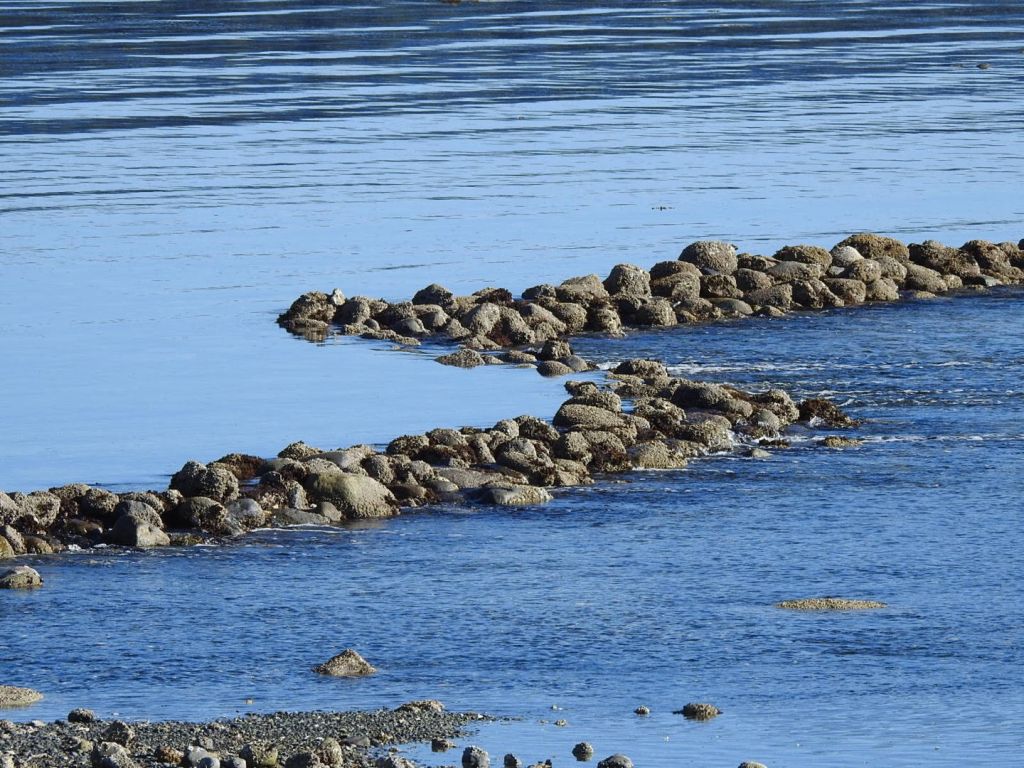
One day Fumiko asked her brothers if they wanted to hear how the weir had been made so long ago. They had been too young to be allowed to stay up to listen to Mr. Tanaka’s stories around the campfire after Sunday dinners. Fumiko gave names to the children in her story, just like Mr. Tanaka had. And she told them that children just like Kaito and Hinata had helped to build the weir with heavy rocks just like they had been doing themselves. Fumiko told her brothers that young Indian boys would step into the tidal pools and catch really big salmon with their bare hands. And the boys loved it, getting more excited with each new description. And Fumiko loved it. She loved to think and reflect about this place they called Deep Bay, wondering if girls like her had been here hundreds of years ago, trying to imagine what their lives would have been like. And she wondered what Deep Bay would be like in another hundred years and if any young girls would walk on the spit and dream about their lives, just like she loved to do.
One thing Fumiko knew for sure; she loved listening to stories and and telling stories and thought quietly to herself that maybe one day that’s what she would do. Maybe she would even write stories for people to read.
AINSLEY
Ainsley Althouse was ten and she’d been coming to Deep Bay all her life. First time was when she came to visit her Grandpa and Nona but then sometime around 2016 her parents bought a place of their own. She was four and she would come with her mom and dad and later with her younger brothers Zack and Linden and they would spend endless hours exploring.
But today she was by herself doing one of her favourite things; daydreaming about her life and what lay ahead. She was walking down toward the spit at Deep Bay, past the huge cement block where the herring cannery had been, way back when before it burned down in 1937. Ainsley’s grandpa had told her how Japanese families had come to Deep Bay over a hundred years ago to fish for herring. He’d told her there were so many herring back then that you could walk across the water, which Ainsley found hard to believe but it didn’t stop her from imagining how amazing that must have been. All that was before the fish cannery had burned down and before the war when all the Japanese were interned in camps.
She loved it when Grandpa told his stories. He’d been coming to Deep Bay since he was five, over sixty years ago, and he could spend hours telling stories around a campfire after dinner. He would come here with his father who was a commercial fisherman. It was a hard life but he could tell stories about Deep Bay that were thrilling to hear. When he was telling his stories Ainsley would sometimes close her eyes and try to imagine a young Japanese girl back then just like her, exploring the bay. Ainsley could see Chrome and Denman Island when she walked down the spit and over to to where the logging camps had been on the other side of the harbour, where they loaded the logs onto trains. She knew things had changed a lot over the years and that trains didn’t even run anymore on Vancouver Island but she could always walk to the end of the spit and imagine what it must have been like, so long ago.
Grandpa had told her about a huge earthquake in 1946 when the ground she was walking on split apart and dropped over eighty feet. It must have been terrifying when it happened and she wondered if any young girls like her had been hurt, or their families.
So many people have lived here she thought and everyone of them had stories to tell. As she walked slowly down the spit a beautiful waft of fennel distracted her. Grandpa said the fennel was left behind by the Japanese families who came to Deep Bay for the herring. Fennel, he said, was one of their favourite flavours for cooking and every time he walked down to the spit past the fennel bushes he thought about them. Ainsley loved that story. Some of the bushes grew to be taller than her and she loved standing among them all and looking up to the sky through the canopy of light yellow blooms. The aroma always reminded her of licorice, one of her favourite treats. And sometimes she would just stand there with the fennel waving gently in the sea breeze and if she concentrated hard enough she could imagine a young Japanese girl doing the same thing so long ago.

Sometimes Ainsley would wake up in Deep Bay, collect her brothers Zack and Linden and go out into the tidal pools right out front of their place and play for hours picking up crabs, splashing each other and shrieking with delight if they saw a fish caught in the tidal pools. She never tired of looking out at Chrome Island as the sun rose over the Coast Range. Grandpa had told them about a young boy who had picked up a thirty two pound Coho Salmon with his bare hands. It had been trapped by the weir. They knew that the weir between the two tidal pools had been built by First Nations people hundreds of years ago and every once in a while she and her brothers would pick up heavy rocks and pile them on top of the weir.
One night Grandpa had told them all a story about how the weir was made and about the tribal people who came every year to the bay for the fishing. Ainsley would close her eyes and try to imagine what that would have been like for kids like her and her brothers. And she loved walking out to the wide sandy beaches when the tide went way out. They could get there quite easily now after her own father, Steele Althouse, had made a pathway by clearing big heavy rocks all the way to the sand. They called it Steele’s Highway and Ainsley wondered if it would last for so long, just like the weir had.
She found herself thinking about maybe when she had children and how she would tell them stories about Deep Bay, and the weir, and young kids just like them who’d come here before them, and about fennel and Steele’s Highway, the path their grandpa had made and about all the other stories she would learn around the campfire.

Ainsley loved it all. She loved to think and reflect about this place they called Deep Bay, wondering if girls like her had been here hundreds of years ago, and trying to imagine what their lives would have been like. And she wondered what Deep Bay would be like in another hundred years and if any young girls would walk on the spit and dream about their lives, just like she loved to do.
One thing Ainsley knew for sure; she loved listening to stories and and telling stories and thought quietly to herself that maybe one day that’s what she would do. Maybe she would even write stories for people to read.
After a couple of hours Ainsley wandered back to camp. Her brothers Zack and Linden ran up to her, both of them excited,
“Ainsley, do you want to go out in Grandpa’s blue boat?”.
Authors note: Ainsley is thirteen now and has written her own stories. WI know Fumiko is imagined but when I walk down the spit, past the fennel, I always think of her.
 Tony with a capital T
Leave a comment